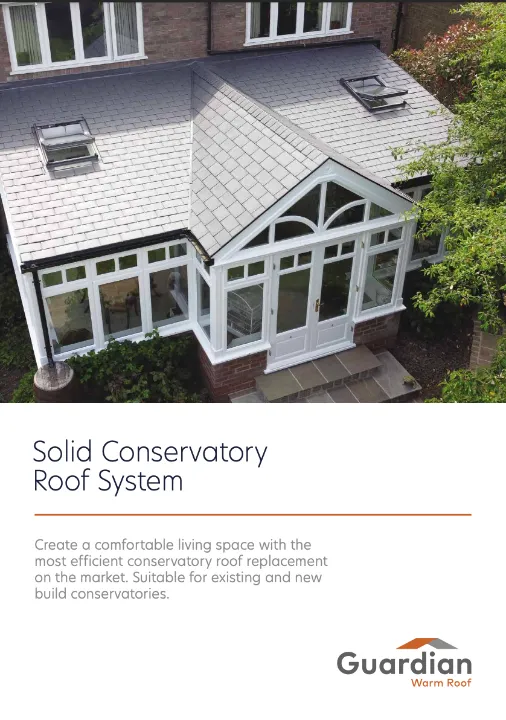



Thermal Performance
A combination of insulating materials delivers excellent U-values as low as 0.18 W/m²K.

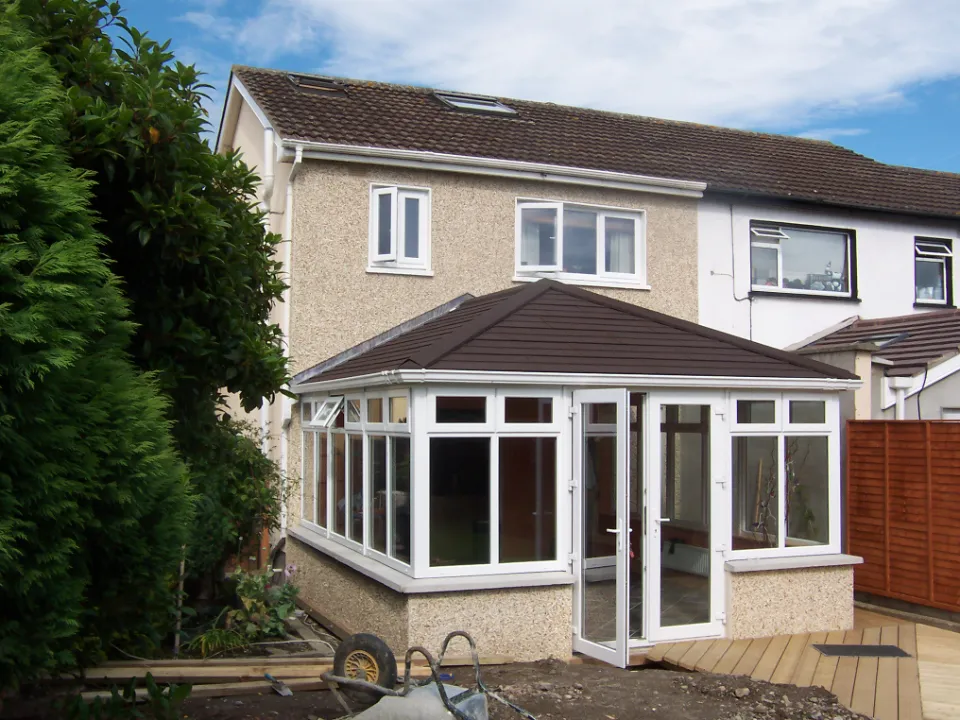
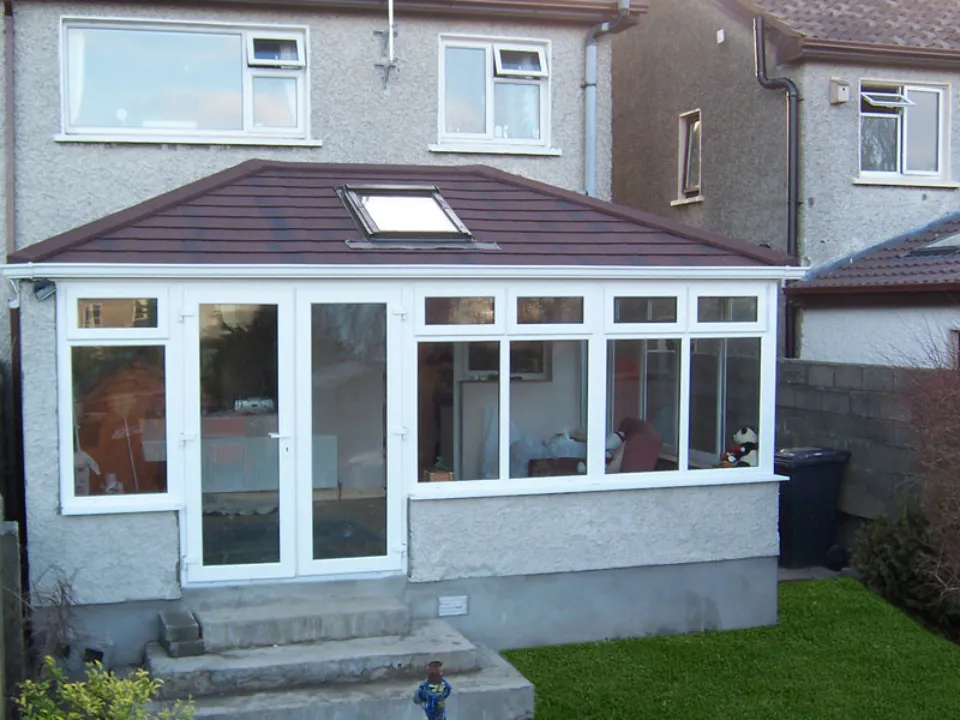
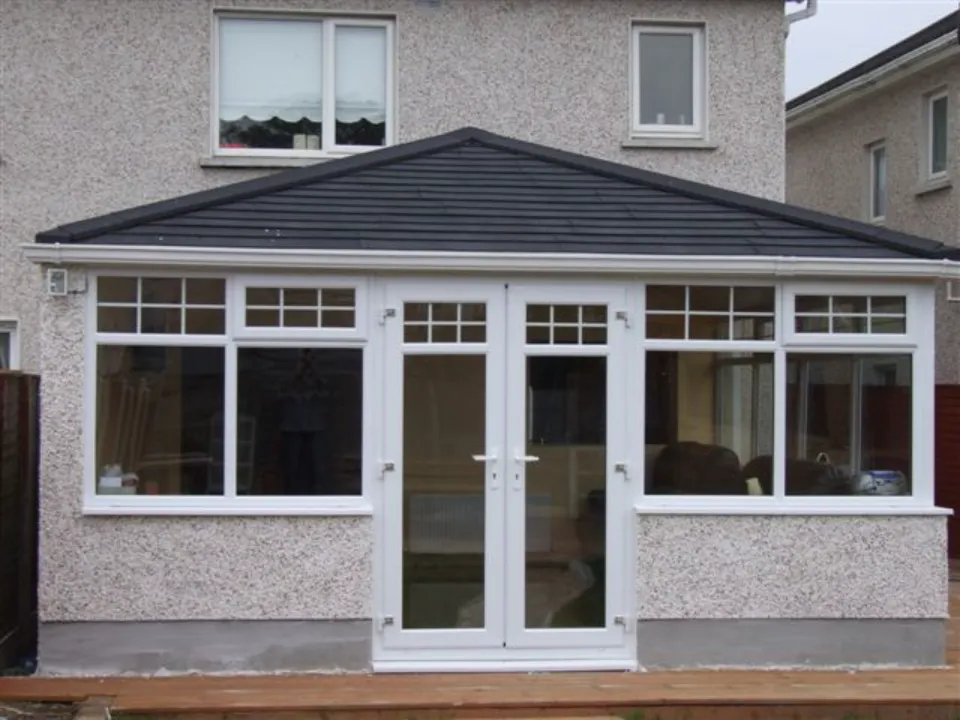
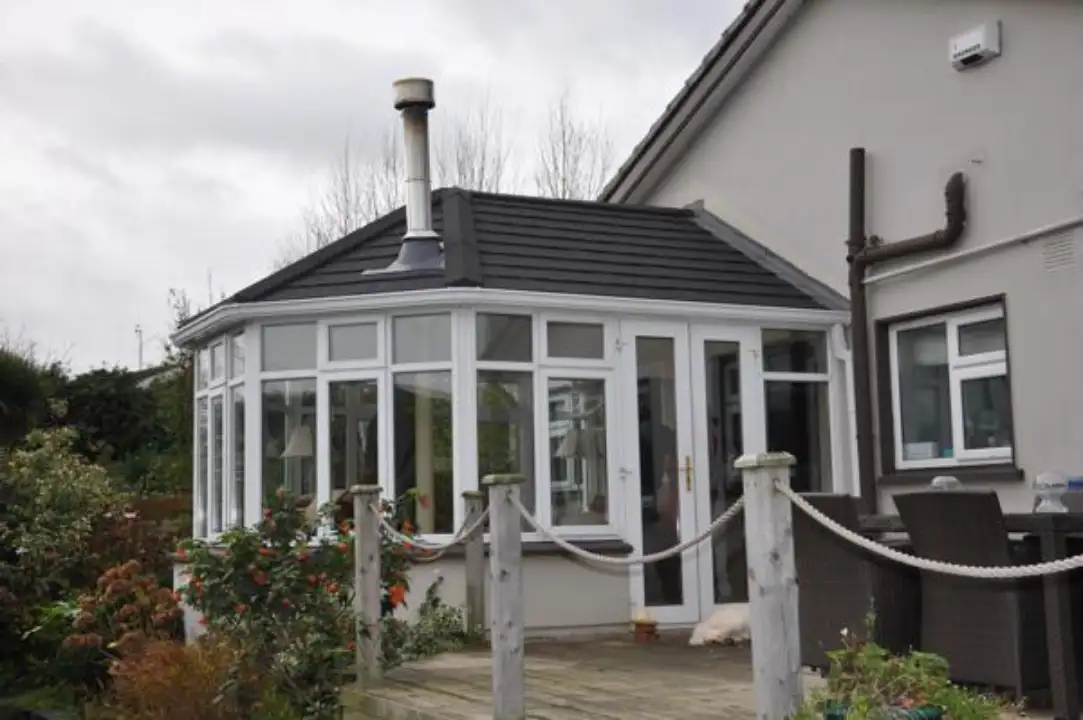
Guardian warm roof systems combine thermal technology with attractive finishes for a roof that transforms existing conservatories. The layered construction—pre-engineered frame, dual insulation layers, vapour control, and insulated plasterboard—delivers market-leading thermal performance.
Whether replacing failing polycarbonate roofs or specifying new conservatory extensions, Guardian systems meet building regulations and client expectations. Suitable for virtually any conservatory style or bespoke layout, these versatile roofs deliver comfort, efficiency, and lasting value.
Get a Quote
A combination of insulating materials delivers excellent U-values as low as 0.18 W/m²K.
Tapco slate tiles offer a synthetic, lightweight alternative to traditional slate in multiple natural colours
Guardian warm roofs are constructed with pre-engineered frame, dual insulation layers, vapour control, and insulated plasterboard for optimal thermal performance.
The Guardian Warm Roof system uses Tapco Slate, providing trade customers with an attractive, lightweight, and durable finish that replicates natural slate.
Made from recyclable plastic and limestone, Tapco slate tiles are available in popular natural colours, including Pewter Grey, Plum, and Brick Red, allowing you to match any property's style.
Get a Quote
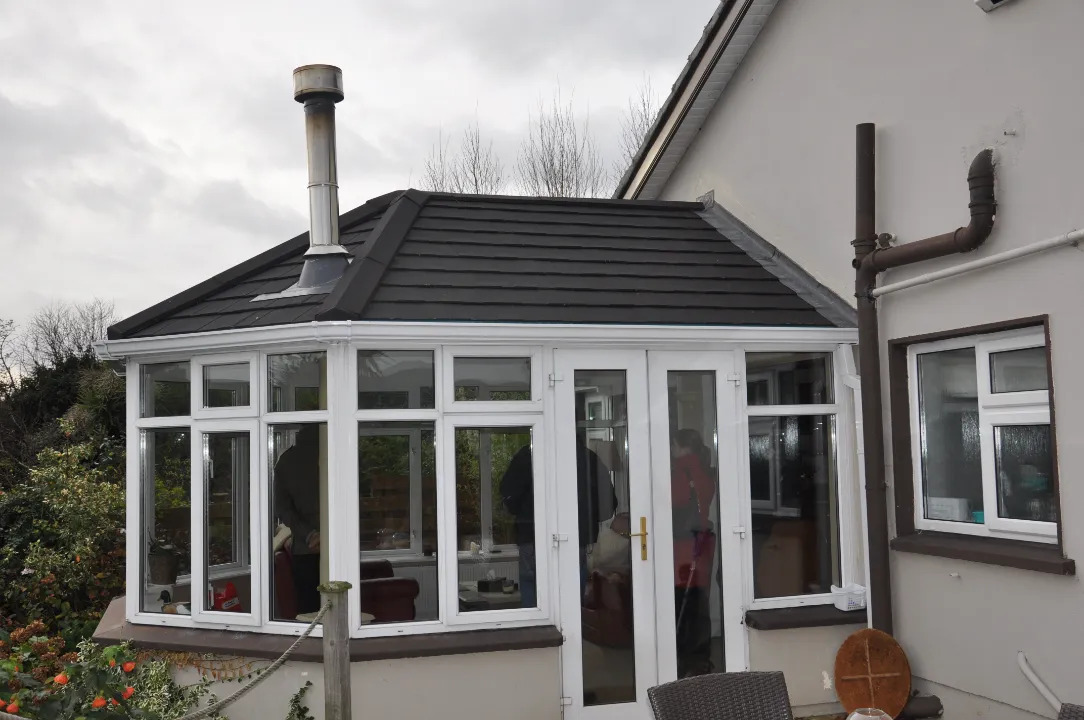
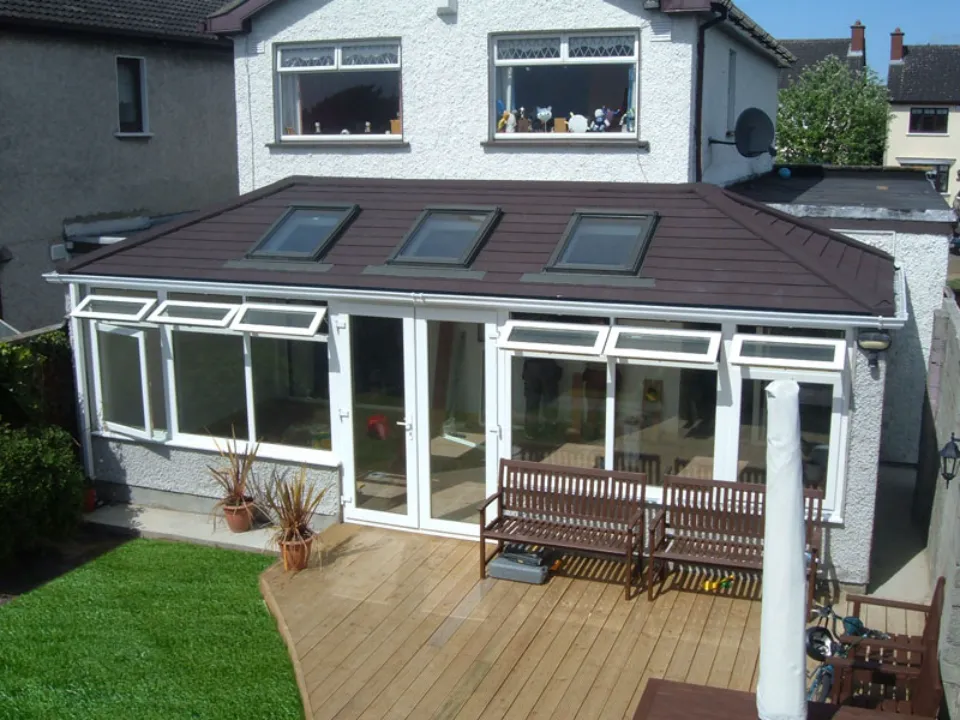
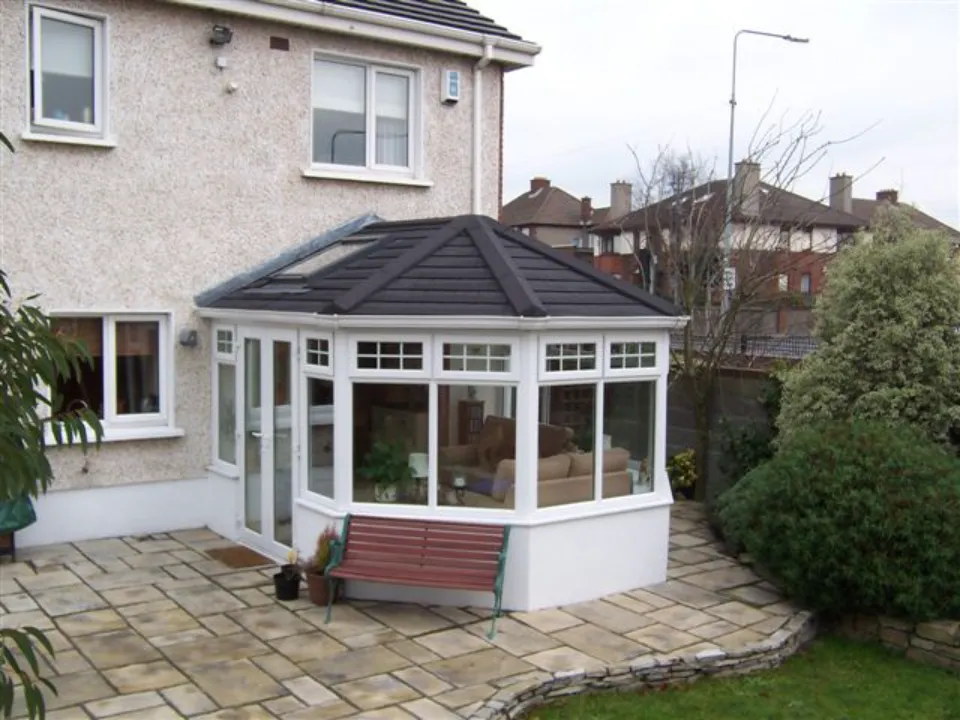
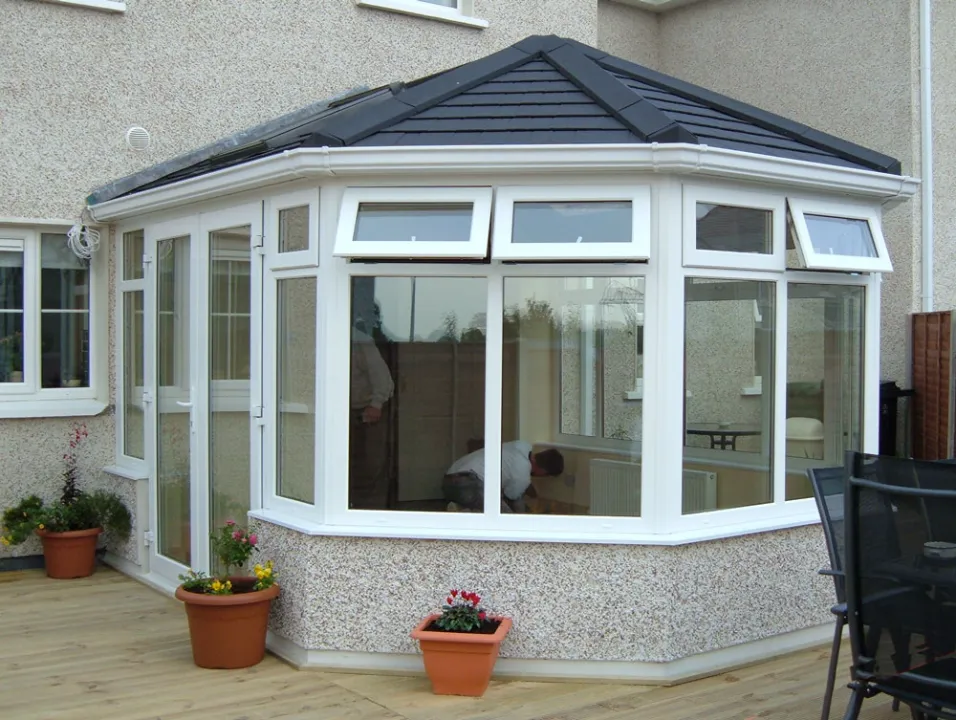
Today’s customers expect more from their extensions. Our warm roofs allow installers to convert existing or new structures into insulated, permanent additions.
However, while Guardian warm roofs feature a solid roof design, the roof can easily accommodate skylights, ensuring the finished room feels spacious and connected to the outdoors. Offer your clients a proven solution that adds genuine value – contact your nearest 21st Century branch for free trade quotes and expert advice.
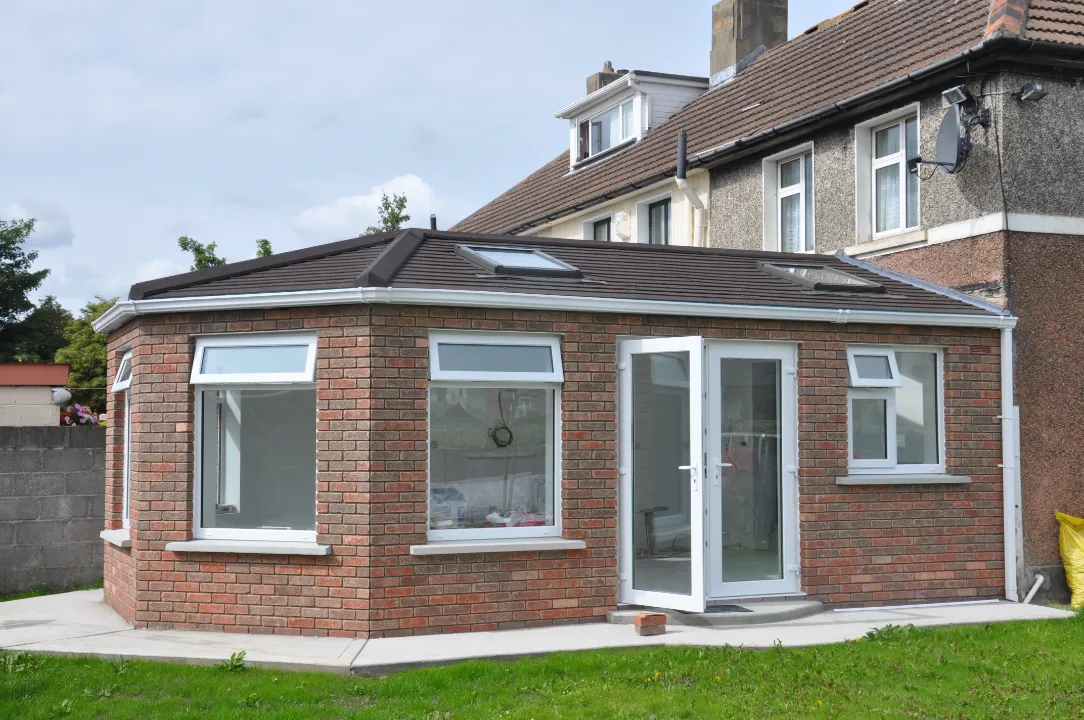
Thanks to its lightweight design, the Guardian Warm Roof system can typically be installed directly onto existing conservatory structures without the need for extensive structural changes.
This allows you to transform an existing structure into a thermally efficient, comfortable, and fully useable room that is enjoyed year-round. Send us your project specifications today for a fast trade quote.
Here are answers to the most common questions we receive about our products, specifications, and working with 21st Century.
Ask UsYes. The Guardian Warm Roof is designed to be a certified, lightweight structure. In the majority of cases, it can be installed directly onto existing, structurally sound conservatory bases and frames, allowing you to transform the space without costly foundation work.
Absolutely. Although the Guardian system is a solid tiled roof, the design is engineered to easily accommodate the incorporation of stylish rooflights or skylights. This ensures that you can maintain ample natural light in the finished room while achieving a substantial, insulated structure.
Yes, the Guardian Warm Roof system is a fully tested and approved solution. It is designed and manufactured to meet all current UK building regulations, including thermal efficiency standards and Document L compliance, giving installers peace of mind on every project.
The interior finish of the Guardian Warm Roof is typically plasterboard, creating a smooth ceiling finish just like a standard extension. This means installers can easily incorporate modern electrical features, such as downlights or pendant fittings, providing a high-quality internal aesthetic.
The Guardian Warm Roof system is designed to be highly durable and low-maintenance. The exterior Tapco Slate finish is guaranteed not to curl, lift, or delaminate. Routine maintenance is minimal, usually involving the occasional clearing of leaves or debris from the gutters.
Yes, provided the system is installed correctly with careful planning. The warm roof system relies on a continuous vapour control layer and external continuous insulation (the warm roof insulation) placed directly on the roof. This design keeps the roof structure warm, preventing cold surfaces where moisture could condense, mitigating condensation issues and the risk of structural damage.
“
We’ve used 21st Century Windows across our projects for several years now and, honestly, they’ve set the bar. Despite being...
Read more
Gez
Blackpool

“
Great company that offers very good quality products. Every time I called I experienced fantastic customer service.
Dave Matthews
Altrincham
“
Great service and product After a slight mix up in communication early on. I appreciate there professionalism and service Purchased...
Read more
Ryan Cairns
Blackpool
“
Our company has used 21st Century Window Centre for over 25 years. The sales team are always friendly, helpful, informative...
Read more
Aaron Sharples
Blackpool

“
Outstanding company, friendly and efficient staff, extremely helpful and excellent 5***** customer service. Highly Recommended.
Den Sellars
Poulton-le-Fylde
“
21st Century have been supplying us now for two years. Both the service and products cannot be faulted. Jordan, our...
Read more
Evolve Conservatory Specialists
Poulton-le-Fylde
We’ve used 21st Century Windows across our projects for several years now and, honestly, they’ve set the bar. Despite being hundreds of miles away from our client base, they manage to feel like a trusted local supplier. That counts for a lot in this industry.
Our most recent project had a long and detailed planning phase. The client wanted to understand everything. Every option, every scenario, every small detail. As the main contractor, that meant leaning heavily on genuine experts, and 21st Century Windows delivered without hesitation.
Danny has been our single point of contact on numerous projects, and his level of service consistently goes above and beyond. Whether it was tracking down specifications, sourcing technical details, or providing photos of previous installations, he handled it all with patience and clarity. For us, it was as simple as passing on the questions and waiting for the answers. And the answers always came quickly, thoroughly, and with genuine care.
I genuinely lost count of how many emails began with “this will be the last question”. Danny never made it feel like a problem. Every query was treated with the same professionalism and attention, right to the end.
If you’re looking for a premium product, sensibly priced, backed by outstanding customer service and a dedicated single point of contact who actually delivers, then 21st Century Windows, and Danny in particular, are hard to beat.
Merry Christmas, and we’re already looking forward to placing our next orders in 2026.
Gez
Blackpool
Great company that offers very good quality products. Every time I called I experienced fantastic customer service.
Dave Matthews
Altrincham
Great service and product
After a slight mix up in communication early on. I appreciate there professionalism and service
Purchased a French door for a Juliet balcony, great design, manufactured good quality product, would recommend in the future
Ryan Cairns
Blackpool
Our company has used 21st Century Window Centre for over 25 years. The sales team are always friendly, helpful, informative and quotes are always returned within a day. Products are always manufactured and delivered on time. Overall a great team to work with!
Aaron Sharples
Blackpool
Outstanding company, friendly and efficient staff, extremely helpful and excellent 5***** customer service. Highly Recommended.
Den Sellars
Poulton-le-Fylde
21st Century have been supplying us now for two years. Both the service and products cannot be faulted. Jordan, our point of contact, is always quick to respond to any questions we have and ensures a quick turnaround of quotes and orders too.
Evolve Conservatory Specialists
Poulton-le-Fylde